
Stay safe around Hemlock
Hemlock is a poisonous plant that can be dangerous to people and animals. Please read this guide to help keep yourself and others safe.
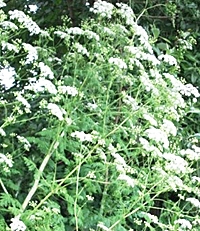
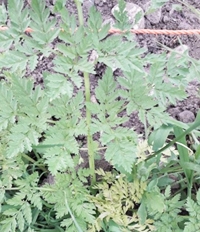

How to spot Hemlock
- Look for purple or reddish spots on the main stem.
- The stem is smooth, hollow, and has pairs of branches with feathery, triangle-shaped leaves.
- It has a long white root.
- If damaged, it smells musty and unpleasant—unlike edible plants like carrots or parsley.
Hemlock can look like carrots, parsnips, chervil, or cow parsley, so be careful.
Where it grows
- Hemlock likes damp places like riverbanks, ditches, waste ground, and roadside edges.
- It flowers in June and July with umbrella-shaped white flower clusters.
Removing Hemlock safely
- Always wear gloves, a mask, and protective clothing.
- Dig out the whole plant, including the root. You can also use weed killer (glyphosate).
- Wash your hands well after handling it.
- Keep checking the area for new growth.
Why Hemlock is dangerous
- Hemlock is very toxic and can be deadly to humans and animals.
- Both fresh and dried plants are poisonous.
- Touching it can cause skin rashes or eye irritation.
- Eating any part of it can affect your nerves and breathing, and may cause serious illness or death.
Symptoms of poisoning
Symptoms can appear within 30 minutes to 3 hours and include:
- shaking or trembling
- burning feeling in the stomach
- drooling
- large pupils
- muscle pain and weakness
- fast then slow heartbeat
- trouble speaking
- seizures or passing out
What to do in an emergency
- get medical help immediately
- if possible, take a sample of the plant
- don’t try to make the person vomit
- keep them calm and still